
Oversize Load Trucking Accidents

Washington Oversize Load Truck Accident Lawyer

Seattle Truck Law represents people injured in oversize load truck accidents throughout Washington State, including Seattle, Tacoma, Spokane and Olympia, and offers free case reviews.

Oversize and overweight trucks carry some of the largest and heaviest loads on Washington roads. Moving these loads safely can require permits, route planning, clearance checks, pilot or escort vehicles, proper cargo securement, and coordination among several companies.

When any part of that system fails, people sharing the road can suffer catastrophic injuries. An over height load can strike a bridge, an over width load can intrude into another lane, and improperly secured cargo can shift to cause a rollover or jackknife.

Seattle Truck Law, PLLC focuses on serious commercial truck and bus cases. If you or someone you love was seriously injured in an oversize load truck accident—or your family lost a loved one—we can investigate the permit, route, load, truck, escort operation, and companies involved to determine what went wrong.

Get Your Free Case Evaluation

This field is for validation purposes and should be left unchanged.
Name*

Quick Answer

What Is an Oversize or Overweight Load in Washington?

Washington establishes legal vehicle dimensions and weight limits, and vehicles or loads exceeding those limits generally require a permit before entering the state or moving on state highways.

WSDOT lists standard legal dimensions including 8’6″ inches in width and 14′ in height, with additional length limits depending on vehicle configuration. Oversize or overweight permits are generally for loads that cannot reasonably be reduced in size.

Some movements are so large that Washington treats them as “superloads.” WSDOT defines a superload as a vehicle or combination carrying a non-divisible load exceeding 16′ wide, 16′ high, 125′ of load length, or 200,000 pounds.

Why Oversize Load Truck Accidents Happen

Common factors that contribute to oversize load truck accidents include the following.

Poor Route Planning and Clearance Errors A route that is safe for an ordinary tractor-trailer may contain bridges, signs, utility lines, tunnels, curves, narrow lanes, construction zones, or other obstacles that an oversize vehicle cannot safely navigate.

Washington has firsthand experience with the consequences. In 2013, an oversize combination vehicle struck the Interstate 5 Skagit River Bridge near Mount Vernon, causing a bridge span to collapse. Two passenger vehicles fell into the river and three people suffered minor injuries. The National Transportation Safety Board found that the probable cause involved failures in the system of safeguards for oversize-load movements, including insufficient route planning and failures by the pilot/escort operator.

Improper Cargo Securement and Load Shifts Cargo that is inadequately secured or balanced can shift during transportation and suddenly change a truck’s center of gravity. That can contribute to rollover, jackknife, or loss-of-control crashes. Cargo can also separate from a trailer and strike another vehicle.

FMCSA cargo-securement rules establish performance requirements for commercial cargo and specialized rules for certain commodities. The proper method depends on the type, size, shape, weight, and configuration of the load.

Excessive Weight or Improper Weight Distribution An overweight vehicle can require special permitting and careful axle-weight distribution. Weight affects braking, steering, tires, suspension, and vehicle handling, while poor distribution can affect stability.

Washington law establishes maximum loads for individual axles and groups of axles, subject to applicable permits and exceptions.

Speed and Unsafe Driving Even when every permit is valid and the cargo is properly secured, an oversize truck must be driven for the conditions.

An extra-legal vehicle may occupy most of a lane, need additional room through curves, accelerate slowly, and require extra distance to stop. Wind, rain, snow, construction, narrow shoulders, and steep grades can add risk. Drivers must account for the size and weight of the combination throughout the movement.

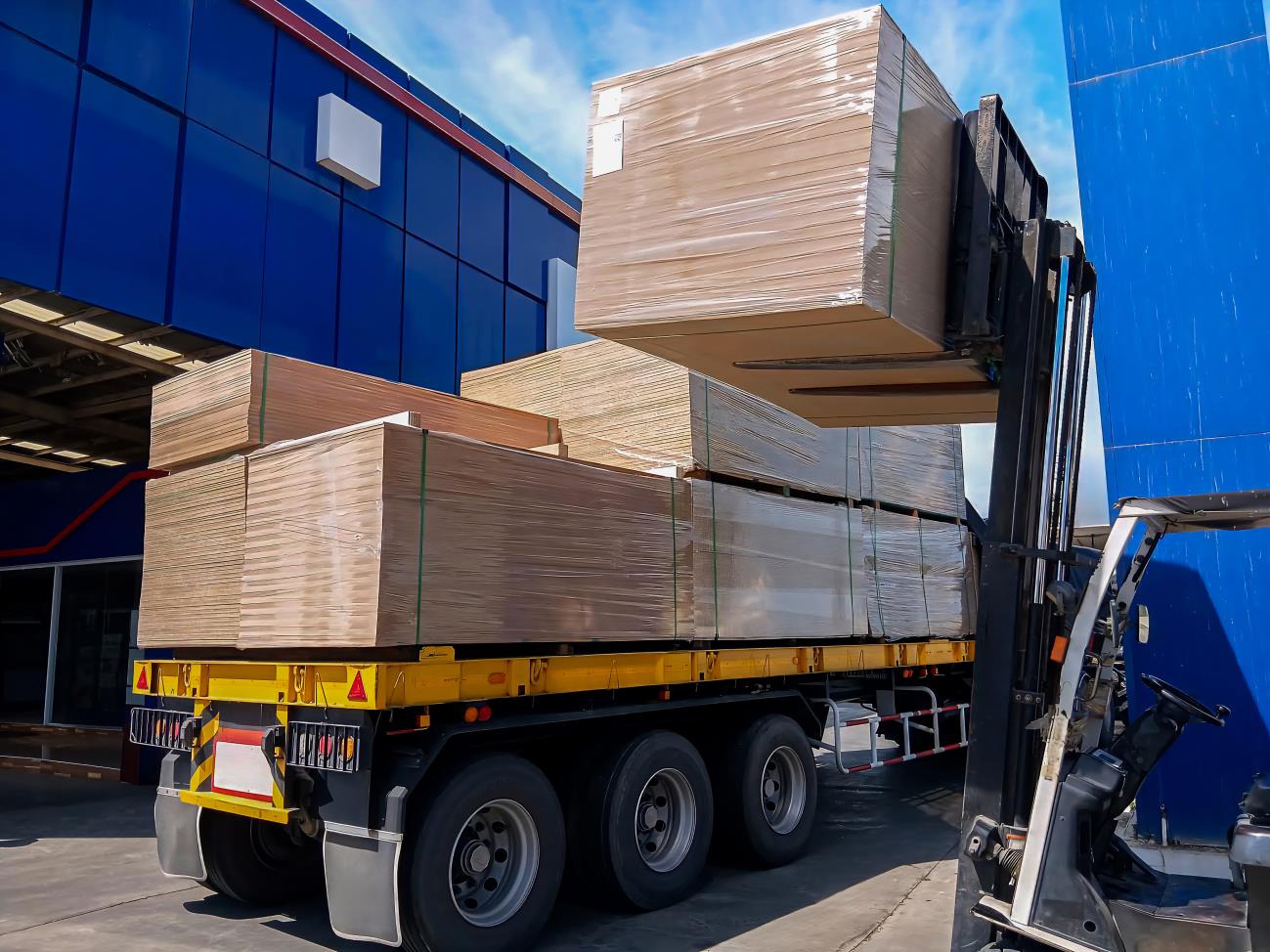
Forklift loading wrapped cargo onto a flatbed truck trailer

Who Can Be Responsible for an Oversize Load Truck Crash?

Oversize-load transportation often involves several businesses and specialists. The company driving the truck may not have loaded the cargo, selected the route, provided the escort vehicles, or owned the equipment being transported.

Depending on the evidence, potentially responsible parties can include the:

  • Truck driver
  • Motor carrier or trucking company
  • Shipper
  • Loading company
  • Cargo owner
  • Pilot or escort operator
  • Maintenance provider
  • Contractor
  • Manufacturer of defective equipment

A company involved in route planning or transportation coordination may also need to be investigated depending on its role.

An oversized load truck accident lawyer’s investigation should determine who controlled each safety-critical part of the movement and whose conduct contributed to the crash.

Truck Drivers Can Also Be Victims of Improper Loading

Not every oversize-load case involves a negligent truck driver. Sometimes, commercial truck drivers can be victims themselves when a shipper or loading company gives them a sealed, unbalanced, or improperly secured load.

A shifting load may roll a tractor-trailer even when the driver is attempting to operate safely. Evidence concerning who loaded the freight, what the driver could inspect, and how the cargo was secured can be critical. Seattle Truck Law has experience representing truck drivers injured when cargo was improperly loaded or secured by others.

Evidence That Matters After an Oversize Load Accident

Oversize load truck cases can generate unusually technical evidence. A trucking attorney may need to preserve and analyze evidence including:

  • The oversize/overweight permit and application
  • The approved route
  • Route-planning or route-survey materials
  • Bridge and overhead-clearance information
  • Pilot/escort records
  • Communications between the escort and truck driver
  • GPS and telematics data
  • Electronic truck data
  • Cargo dimensions and weight records
  • Securement equipment
  • Scale tickets and shipping documents
  • Inspection and maintenance records
  • Photographs and video
  • Contracts among the companies involved

Additional materials may exist for superload cases. WSDOT can require advance applications and traffic-control information addressing lane restrictions, escort vehicles, overhead obstacles, railroad crossings, traffic delays, and emergency-vehicle access.

But a lot of this evidence can disappear quickly. Trucks are repaired, cargo is moved, electronic records are overwritten, and witnesses become harder to locate. Early preservation can be especially important to building a successful case.

Compensation After a Serious Oversize Load Truck Crash

Oversize load crashes can cause traumatic brain injuries, spinal cord injuries, amputations, crush injuries, fractures, burns, internal injuries, permanent disability, and death.

Depending on the circumstances and Washington law, a claim may include medical expenses, future treatment and rehabilitation, lost income, reduced earning capacity, disability-related needs, pain and suffering, and other losses caused by the collision.

When injuries are catastrophic, the case must consider the future. A settlement based only on bills already incurred may not address years of treatment, attendant care, assistive equipment, home modifications, or lost earning ability.

Attorney on the phone reviewing case notes in his office

Talk to Seattle Truck Law About an Oversize Load Truck Accident

Oversize load truck cases demand an understanding of trucking operations as well as the permit, escort, routing, loading, and securement rules that make these unusual movements possible—and how their violations can leave innocent people’s lives changed forever.

Seattle Truck Law focuses on serious commercial truck and bus litigation. We have decades of experience investigating carriers, drivers, shippers, loads, routes, permits, pilot vehicles, electronic evidence, and other factors to explain why a crash occurred and why our clients deserve compensation for current and long-term needs.

If you or someone you love suffered a serious injury in an oversize or overweight load truck accident—or your family lost a loved one—call 866-580-HURT (4878) or contact Seattle Truck Law to request a free initial consultation.

Vehicles Where This Happens

Related Accident Causes

Frequently Asked Questions About Oversize Load Truck Accidents

Generally, yes, when the vehicle or load exceeds Washington’s legal size or weight limits. WSDOT generally issues these permits for non-divisible loads, and the restrictions depend on dimensions, weight, vehicle configuration, and route.

WSDOT defines a superload as a vehicle or combination carrying a non-divisible load exceeding 16′ wide, 16′ high, 125′ of load length, or 200,000 pounds. These movements can require advance review and additional planning.

No. Washington’s escort requirements depend on the load and roadway. Width, height, length, overhang, visibility, and highway type can determine whether one or more certified pilot/escort vehicles are required.

An investigation should examine the load’s measured height, permit, route, clearance information, route planning, escort operation, driver conduct, and communications. Possessing a permit does not by itself establish that the movement was safely performed.

Washington requires carriers to check route restrictions and over height clearances before moving oversize loads.

Responsibility depends on who loaded, secured, inspected, and controlled the shipment. The driver or motor carrier may be responsible in some cases. In other cases a shipper, loading company, contractor, or another party may have created the dangerous condition.

Washington generally provides a three-year limitations period for actions involving personal injury, although the correct deadline depends on the facts and parties involved. Evidence may disappear much sooner, so waiting can hurt an otherwise valid case even when the legal filing deadline has not expired.

client testimonials

Contact the Seattle Truck Law Team Today

If you’ve been injured in a trucking accident, contact Seattle Truck Law at (866) 580-4878 or fill out our online form for a free consultation. You pay no fees or expenses unless we recover compensation on your behalf. Don’t wait—the sooner you contact us, the sooner our attorneys can preserve evidence, investigate your claim, and start building your case.

This field is for validation purposes and should be left unchanged.
Name*